

Entrepreneur and Entrepreneurship Versus: Key Differences 2025
Have you ever wondered why “entrepreneur” and “entrepreneurship” are often mixed up, even by business professionals? In 2025, understanding the distinction between these terms has never been more important for anyone navigating the modern business world.
This article will break down the real differences between entrepreneur and entrepreneurship, giving you the clarity you need to succeed. Whether you are an aspiring founder, a business student, or a working professional, knowing these differences can be a game-changer.
We will define both concepts, compare their unique characteristics, examine their impact, and share real-world examples. Get ready to discover how each shapes the future of business and why it matters for your journey.
Defining the Entrepreneur: The Person Behind the Venture
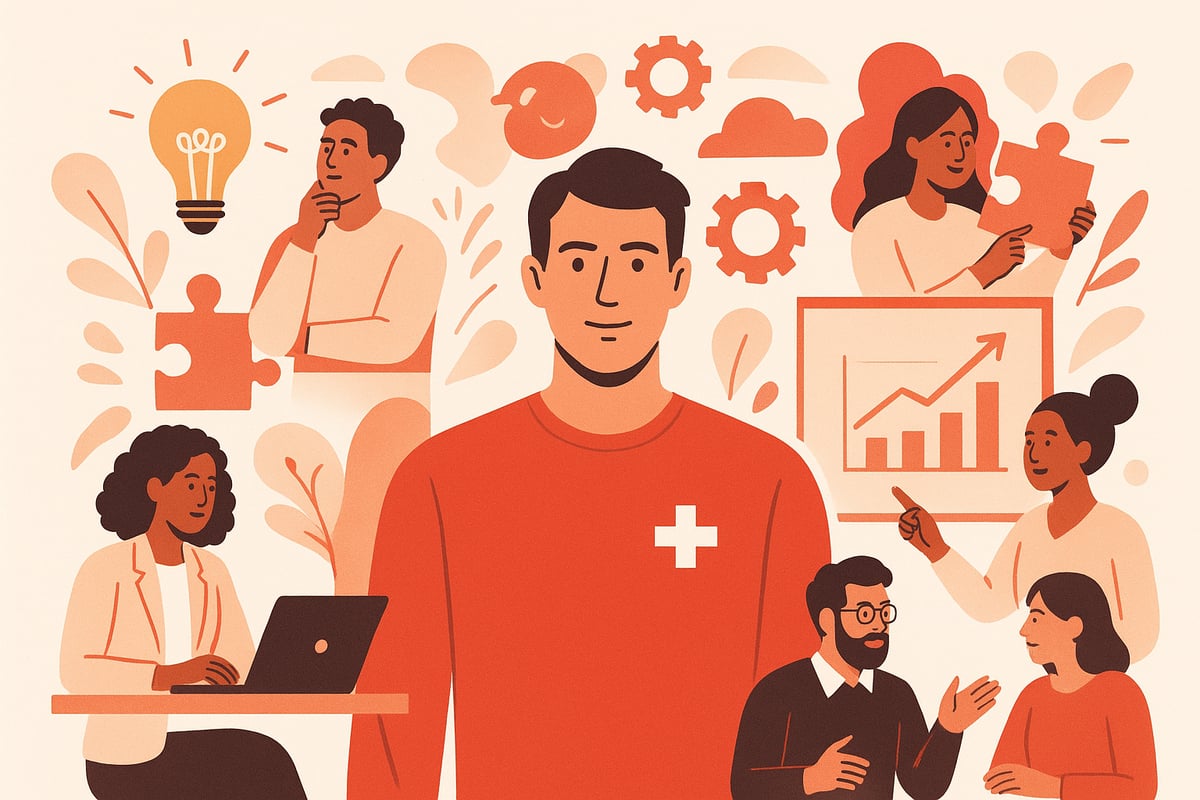
Understanding the difference between entrepreneur and entrepreneurship starts with the individual at the heart of every venture: the entrepreneur. Entrepreneurs are more than just business owners; they are the driving force behind innovation, growth, and transformation in today’s business world.
Characteristics and Mindset of an Entrepreneur
Entrepreneurs stand out due to a unique blend of characteristics. They are visionary leaders, always seeking new opportunities and challenging the status quo. A successful entrepreneur and entrepreneurship journey demands resilience in the face of setbacks, creativity to solve complex problems, and adaptability to shifting markets.
Some defining traits include:
- Visionary thinking and the ability to spot emerging trends
- Willingness to take calculated risks
- High levels of resilience and determination
- Creativity that fuels innovation
- Adaptability to changing circumstances
Consider Elon Musk, who has shaped industries from electric vehicles to space travel. Data shows entrepreneurs drive significant economic impact, being responsible for 65% of new job creation (GeeksforGeeks, 2025). This mindset is the foundation of every entrepreneur and entrepreneurship story.
Roles and Responsibilities
Entrepreneurs hold decision-making authority, especially in startups. Their daily roles include managing resources, building and guiding teams, and setting the strategic direction for the venture. In the entrepreneur and entrepreneurship context, the entrepreneur is accountable for both successes and failures, making every choice count.
Key responsibilities are:
- Making critical business decisions
- Allocating and managing financial and human resources
- Leading product development and market strategy
- Building company culture and vision
Swiss startup founders, for example, often juggle product innovation with team growth, reflecting the wide-ranging scope of their role. The entrepreneur and entrepreneurship dynamic is evident in their direct involvement in shaping a company’s future.
Types of Entrepreneurs
Not all entrepreneurs are the same. There are several types, each bringing a distinct approach to entrepreneur and entrepreneurship efforts:
- Innovators: Create new products or markets
- Imitators: Improve upon existing ideas
- Social entrepreneurs: Drive social change and sustainability
- Serial entrepreneurs: Launch multiple ventures
Swiss social entrepreneurs, for instance, focus on sustainability and community impact. To explore these different paths in detail, check out Entrepreneurial Models Explained, which breaks down the various types shaping the entrepreneur and entrepreneurship landscape.
Motivations and Goals
The motivation behind becoming an entrepreneur is as varied as the people themselves. Many seek autonomy, craving the freedom to chart their own course. Others are motivated by financial gain, the desire to build a lasting legacy, or the ambition to disrupt traditional industries. This drive is central to the spirit of entrepreneur and entrepreneurship.
Common goals include:
- Achieving independence from traditional work structures
- Creating financial security and wealth
- Leaving a meaningful legacy
- Building solutions that challenge or improve existing systems
For example, Swiss founders often launch startups with the intent to transform established industries, showing how personal ambition fuels the broader entrepreneur and entrepreneurship movement.
Understanding Entrepreneurship: The Process and Ecosystem
Entrepreneurship is much more than a buzzword. It represents a dynamic process that transforms ideas into viable ventures. To truly grasp the difference between entrepreneur and entrepreneurship, it’s vital to understand how this process unfolds, who it involves, and the impact it has on economies and societies.

Definition and Scope of Entrepreneurship
Entrepreneurship is the structured process of transforming innovative ideas into sustainable businesses. Unlike the entrepreneur, who is the individual behind the venture, entrepreneurship encompasses the entire journey from ideation to growth.
This process is not limited to one person. It involves teams, investors, advisors, and a broader ecosystem that supports new ventures. Entrepreneurship covers everything from brainstorming and business planning to securing funding, launching products, scaling operations, and ensuring long-term success.
For a deeper dive into how entrepreneurship shapes business practices, explore Entrepreneurship and Business Insights. Understanding the relationship between entrepreneur and entrepreneurship helps clarify why both are essential for business innovation.
Key Elements of Entrepreneurship
Several core elements define entrepreneurship. Innovation lies at the heart of the process, driving the creation of new products, services, or business models. Risk management is crucial, as every new venture faces uncertainty and competition.
Opportunity recognition allows entrepreneurs and teams to spot gaps in the market and respond quickly. Building a strong business model and a compelling value proposition are also fundamental. In Switzerland, the robust startup ecosystem offers mentorship, funding, and networking opportunities at every stage, making entrepreneurship accessible to more people.
The interplay between entrepreneur and entrepreneurship is evident in how these elements come together to build lasting ventures.
The Role of Entrepreneurship in the Economy
Entrepreneurship is a major engine of economic growth and social progress. It plays a significant role in job creation, with entrepreneurship generating around 50 percent of private sector jobs in the EU in 2025.
In Switzerland, tech entrepreneurship is fueling competitiveness and helping the country maintain its global edge. New startups bring fresh ideas and challenge established industries, pushing the economy forward.
The synergy between entrepreneur and entrepreneurship ensures that innovation is not just an individual effort but a collective force shaping the future.
Entrepreneurship in Different Contexts
Entrepreneurship is not a one size fits all concept. It thrives in various environments, from large corporations to small community initiatives. Corporate entrepreneurship encourages established companies to innovate from within, while social entrepreneurship focuses on solving societal challenges.
Small business entrepreneurship drives local economies and provides unique solutions tailored to specific markets. In Switzerland, corporate entrepreneurship within multinationals is a prime example of adapting entrepreneurial principles to different contexts.
Understanding how entrepreneur and entrepreneurship interact in these diverse settings reveals the adaptability and reach of the entrepreneurial process.
Entrepreneur vs. Entrepreneurship: Core Differences Explained
Understanding the difference between entrepreneur and entrepreneurship in 2025 is essential for anyone navigating the modern business landscape. These two terms are often intertwined, but their distinctions shape how businesses are started, grown, and sustained. Let’s break down their core differences using real-world examples and practical insights.

Individual vs. Process
At the heart of the entrepreneur and entrepreneurship conversation is the distinction between the individual and the process. An entrepreneur is a person with the vision, drive, and initiative to launch a new venture. In contrast, entrepreneurship is the journey or system that transforms an idea into a thriving enterprise.
For instance, if you read Entrepreneur Journey Stories, you’ll notice how each founder’s path is unique, yet they all navigate the broader entrepreneurship process. This difference highlights how entrepreneur and entrepreneurship function at different levels, shaping not only the business but also its long-term trajectory.
Scope and Application
The scope of entrepreneur and entrepreneurship is another defining factor. An entrepreneur’s focus is often narrow, zeroing in on a specific product, service, or market. Entrepreneurship, on the other hand, has a much broader reach. It encompasses various activities, including ideation, funding, scaling, and even pivoting across multiple industries.
Within a single startup ecosystem, you might find many entrepreneurs working on different ventures. Meanwhile, entrepreneurship is the thread that connects these efforts, fostering collaboration and shared learning across the community.
Decision-Making and Leadership
Entrepreneur and entrepreneurship differ in how decisions are made and who leads the charge. Entrepreneurs are typically the primary decision-makers, setting the vision and making high-stakes calls for their startups. Their leadership style is often direct, hands-on, and deeply personal.
Entrepreneurship, as a process, involves a wider array of stakeholders and a more distributed approach to leadership. It provides frameworks and systems that guide continuous decision-making, from product development to market expansion. The entrepreneur’s initial decisions set the stage, but entrepreneurship sustains and adapts those decisions over time.
Innovation and Risk
Both entrepreneur and entrepreneurship play vital roles in innovation and risk, but the focus is different. Entrepreneurs are known for their willingness to take bold risks and introduce disruptive innovations. Their appetite for risk often drives breakthrough products and services.
Entrepreneurship sustains innovation by managing risk at the process level. Systems are put in place to evaluate, mitigate, and spread risk across teams and timeframes. For example, while a solo founder might take a leap of faith, a structured entrepreneurship program ensures that risk is assessed and managed throughout the venture’s growth.
Impact and Influence
The impact of entrepreneur and entrepreneurship also varies. Entrepreneurs usually affect their immediate venture, influencing team culture, product direction, and customer relationships. Their influence is significant but limited to their business.
Entrepreneurship, however, has a much wider impact. It fuels job creation, economic growth, and societal change. According to recent data, entrepreneurship is responsible for a significant portion of job creation and innovation worldwide, underscoring its far-reaching influence beyond individual ventures.
Ownership and Responsibility
When it comes to ownership and responsibility, entrepreneur and entrepreneurship diverge further. Entrepreneurs typically own their businesses and are directly accountable for outcomes. They bear the rewards and risks associated with their venture’s success or failure.
Entrepreneurship, as a collective process, often involves shared ownership and responsibility. In partnerships, accelerators, or incubators, multiple stakeholders contribute to and benefit from the process. This distinction shapes how accountability and rewards are distributed within the business ecosystem.
Goals and Outcomes
Finally, the goals and outcomes of entrepreneur and entrepreneurship highlight their fundamental differences. Entrepreneurs are usually driven by personal success, financial gain, and the desire to leave a legacy. Their ambitions shape the direction and culture of their startups.
Entrepreneurship aims for broader, ecosystem-level outcomes like sustainable growth and collaborative innovation. In Swiss startup initiatives, for example, the focus is not just on individual success but also on building a resilient and supportive environment for all founders.
Comparison Table: Entrepreneur vs. Entrepreneurship
| Aspect | Entrepreneur | Entrepreneurship |
|---|---|---|
| Focus | Individual | Process/System |
| Scope | Specific Venture | Multiple Ventures/Sectors |
| Decision-Making | Centralized, Personal | Distributed, Ongoing |
| Innovation/Risk | Drives Innovation, Takes Risks | Sustains Innovation, Manages Risk |
| Impact | Venture-Level | Economy/Society-Level |
| Ownership | Personal | Shared/Collaborative |
| Goals | Personal Success, Legacy | Ecosystem Growth, Sustainability |
Understanding these core differences empowers you to navigate the world of entrepreneur and entrepreneurship with confidence, whether you’re launching your own startup or supporting the broader business ecosystem.
Advantages and Disadvantages: Entrepreneur vs. Entrepreneurship
Navigating the world of entrepreneur and entrepreneurship means weighing both the rewards and the risks. The differences between the individual journey and the broader process shape the experience for founders and the startup ecosystem alike.
| Aspect | Entrepreneur | Entrepreneurship |
|---|---|---|
| Advantages | Autonomy, personal growth, creative freedom | Economic growth, job creation, innovation |
| Disadvantages | Financial risk, stress, long hours | Systemic risks, regulation, resource limits |
Advantages of Being an Entrepreneur
Choosing the path of entrepreneur and entrepreneurship offers unique rewards for individuals. Entrepreneurs enjoy autonomy, setting their own vision and building something from scratch. This independence allows for creative freedom and the ability to shape a business culture that aligns with personal values.
Personal growth is a major benefit. Facing challenges head-on helps entrepreneurs develop resilience, adaptability, and leadership skills. Financial potential is another key motivator, as successful ventures can bring significant returns and long-term wealth.
In Switzerland, founders often report high job satisfaction, with many citing the thrill of innovation and the chance to make a real impact. According to Entrepreneurship Statistics 2025: Key Trends and Insights, entrepreneurs worldwide are seeing increased well-being and fulfillment in their professional lives. For many, the journey of entrepreneur and entrepreneurship is as rewarding as the destination.
Disadvantages of Being an Entrepreneur
However, the road of entrepreneur and entrepreneurship is far from easy. One major challenge is financial uncertainty. Many entrepreneurs invest personal savings, facing the possibility of loss if the business struggles.
Long hours and high stress are common, especially in the early stages. Founders must juggle multiple roles, from product development to team management. The pressure to succeed can lead to burnout, especially without a strong support network.
In Switzerland, founders often encounter tough competition and hurdles in securing funding or scaling operations. The risk of failure is real, and setbacks can be difficult to overcome. For those considering entrepreneur and entrepreneurship, it is important to weigh these personal sacrifices against the potential rewards.
Advantages of Entrepreneurship as a Process
Looking beyond the individual, entrepreneur and entrepreneurship as a process drives broader change. Entrepreneurship is a catalyst for economic growth, job creation, and innovation at scale. By fostering new ideas and business models, entrepreneurship strengthens the entire market.
A key advantage is the collaborative ecosystem that entrepreneurship creates. Support from accelerators, mentors, and investment platforms enables founders to learn, connect, and grow. In Switzerland, organizations like Swisspreneur play a vital role in nurturing this environment, ensuring that innovation thrives at every stage.
Entrepreneur and entrepreneurship are also linked to increased social mobility and opportunity, as new ventures open doors for a diverse range of participants. The process encourages shared learning and collective progress across industries and regions.
Disadvantages of the Entrepreneurship Process
Despite its benefits, entrepreneur and entrepreneurship as an ecosystem faces its own set of challenges. Systemic risks, such as economic downturns or regulatory changes, can impact startups and established ventures alike.
Resource limitations are another concern. Not all founders have equal access to funding, mentorship, or networks, which can create barriers to entry. Regulatory hurdles and market saturation may stifle innovation or make it harder for new businesses to stand out.
In Switzerland, even with a supportive environment, some startups fail due to ecosystem bottlenecks or intense competition. For entrepreneur and entrepreneurship to flourish, ongoing adaptation and policy support are crucial. Understanding these disadvantages helps readers make informed decisions about their own entrepreneurial journeys.
Real-World Examples and Case Studies: Switzerland and Beyond
Switzerland offers a vibrant stage for the entrepreneur and entrepreneurship dynamic, blending innovation with tradition. The Swiss startup ecosystem is recognized for its robust support, high investment levels, and a culture that values both creative risk-takers and the processes that nurture their growth.
Swiss Startup Ecosystem
In Switzerland, the interplay of entrepreneur and entrepreneurship is visible in success stories like MindMaze, a neurotechnology startup, and Ava, a health tech innovator. These ventures emerged from a supportive environment where accelerators, mentorship, and funding are readily available. Notably, over CHF 3 million has been invested through the Swisspreneur Syndicate, helping early-stage founders turn their visions into reality. Swiss entrepreneurs benefit from access to world-class research institutions, and the ecosystem fosters both individual ambition and collaborative growth.
Global Comparisons: Switzerland vs. Silicon Valley
Entrepreneur and entrepreneurship thrive differently across the globe. In Silicon Valley, the focus is often on rapid scaling and disruption, while Swiss founders emphasize sustainability and steady growth. The table below highlights some of these contrasts:
| Aspect | Switzerland | Silicon Valley |
|---|---|---|
| Investment Focus | Sustainability, long-term vision | High risk, fast scaling |
| Support Systems | Strong public-private partnerships | Venture capital heavy |
| Typical Founder Profile | Technical, research-driven | Serial, risk-oriented |
| Ecosystem Strength | Stability, collaboration | Agility, competition |
By comparing these approaches, we see how entrepreneur and entrepreneurship adapt to local cultures and market realities.
Social and Corporate Entrepreneurship
Social innovation is another Swiss strength. Entrepreneurs have launched ventures like Climeworks, which captures carbon from the air, showing the power of entrepreneurship to address global challenges. Beyond startups, corporate entrepreneurship is gaining momentum in Switzerland, with established firms nurturing internal innovators and launching new business models. For a deeper look at this trend, explore Corporate Entrepreneurship in Switzerland, which examines how companies are fostering entrepreneurial thinking from within. This synergy between entrepreneur and entrepreneurship is shaping a more sustainable, future-ready economy.
Lessons Learned: Successes and Pitfalls
The journey of entrepreneur and entrepreneurship is rarely linear. Common pitfalls include underestimating market fit, regulatory hurdles, and scaling challenges. However, Swiss founders who tap into ecosystem resources, embrace mentorship, and stay agile are more likely to succeed. Key lessons learned include:
- Validate your idea early with real customers.
- Build a resilient, diverse team.
- Leverage support networks and continuous learning.
Whether in Switzerland or abroad, the evolving landscape of entrepreneur and entrepreneurship offers valuable insights for anyone looking to make their mark in 2025.
The Evolving Landscape: Trends and Future Outlook for 2025
Entrepreneur and entrepreneurship are moving targets in today’s business world. As we look toward 2025, the meaning of these terms, the way they interact, and the forces shaping them are all evolving rapidly. Let’s explore the biggest trends and what they mean for founders, startups, and the broader ecosystem.
Changing Definitions and Expectations
In 2025, entrepreneur and entrepreneurship are no longer confined to traditional definitions. The rise of remote work, digital-first business models, and global connectivity has led to new expectations. Solopreneurs, freelancers, and gig workers now see themselves as part of the entrepreneur and entrepreneurship spectrum.
A key shift is the blurring line between solo ventures and team-driven startups. Individuals can launch scalable businesses from anywhere, challenging the old idea that entrepreneurship only happens in a formal company setting.
| Old Definition | New Definition (2025) |
|---|---|
| Business owner | Creator, innovator, problem solver |
| Team-based startups | Solo, remote, gig-driven ventures |
| Local focus | Global mindset, digital presence |
This expanded view reflects how entrepreneur and entrepreneurship are adapting to a more flexible, tech-enabled world.
Technology and Innovation
Technology is the engine powering the next wave of entrepreneur and entrepreneurship. Artificial intelligence, blockchain, and automation are making it easier to start, run, and scale businesses. For example, AI tools help founders automate marketing, streamline operations, and even personalize customer experiences.
The rise of AI-enabled solopreneurs shows how technology is changing the game. According to The Solo Revolution: AI-Enabled Individual Entrepreneurship, entrepreneurs now leverage AI to act as one-person startups, handling tasks that once required entire teams.
In Switzerland, 40% of new startups are tech-driven, and this trend is expected to accelerate. Technology is not just a tool, it is a core part of what entrepreneur and entrepreneurship mean in 2025.
Support Systems and Ecosystem Evolution
Support systems for entrepreneur and entrepreneurship are stronger and more accessible than ever. Accelerators, incubators, and investment platforms are growing, offering founders mentorship, funding, and community.
Swisspreneur, for instance, has played a vital role in connecting founders with experienced business leaders, helping them scale faster and avoid common pitfalls. Masterclasses, networking events, and digital communities are now essential parts of the entrepreneur and entrepreneurship journey.
Mentorship and peer learning have become key differentiators in startup success. As ecosystems evolve, founders benefit from shared wisdom and a supportive network, making entrepreneurship less lonely and more collaborative.
Diversity and Inclusion in Entrepreneurship
Diversity and inclusion are shaping the future of entrepreneur and entrepreneurship. More women, minorities, and underrepresented groups are entering the startup scene, bringing fresh perspectives and new ideas.
Swiss initiatives are actively working to support diverse founders, offering targeted funding, training, and networking opportunities. This shift is not just about fairness, it is about unlocking innovation and economic growth.
Inclusive ecosystems foster creativity and resilience. As more voices join the entrepreneur and entrepreneurship conversation, the business landscape becomes richer and more adaptable.
Policy and Regulatory Changes
Government policies are responding to the needs of entrepreneur and entrepreneurship in 2025. In Switzerland and beyond, tax incentives, startup-friendly regulations, and dedicated funding programs are helping new ventures get off the ground.
These changes lower barriers to entry and encourage more people to pursue entrepreneurial paths. Regulatory sandboxes, simplified incorporation processes, and digital services are making it easier to test and launch ideas.
The Global Entrepreneurship Monitor 2024/2025 USA Report highlights how supportive policy environments can drive entrepreneurial activity worldwide. As governments recognize the value of entrepreneur and entrepreneurship, we can expect even more innovation and growth.
The Future of Work and Entrepreneurial Careers
The future of work is deeply connected to entrepreneur and entrepreneurship. Traditional career paths are giving way to flexible, project-based roles and lifelong learning.
Remote-first startups are common in Switzerland, allowing founders and teams to work from anywhere. Continuous education, such as masterclasses and online courses, helps entrepreneurs stay ahead of trends and adapt quickly.
Entrepreneur and entrepreneurship are now seen as career options, not just one-time ventures. Adaptability, curiosity, and a willingness to learn are the skills that will define success in 2025 and beyond.
Empowering Swiss Entrepreneurs: The Role of Swisspreneur
Swisspreneur stands at the forefront of Switzerland’s entrepreneur and entrepreneurship landscape, empowering founders at every stage. Through free podcasts, masterclasses, ebooks, networking events, and syndicate investment opportunities, Swisspreneur offers vital resources for growth.
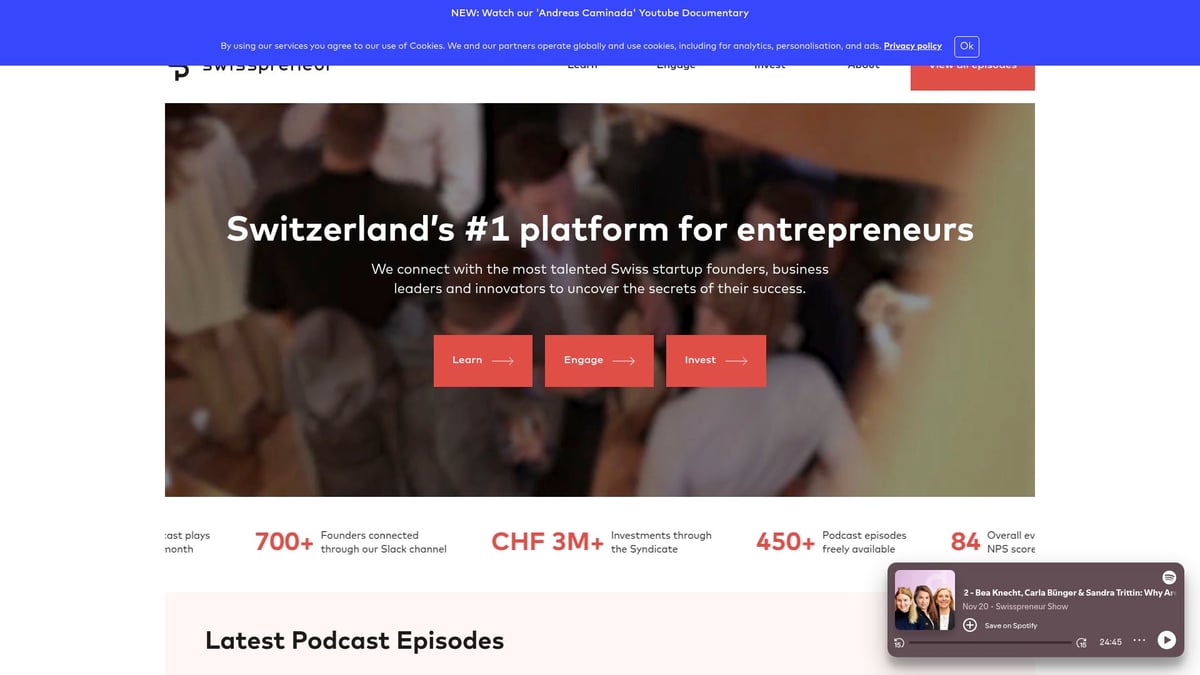
By connecting entrepreneurs with mentors, business leaders, and investors, Swisspreneur has helped over 700 founders and facilitated more than CHF 3M in investments. Its founder-led, accessible approach fuels a thriving, inclusive startup community, making Swisspreneur an essential ally for anyone navigating the world of entrepreneur and entrepreneurship.
Now that you’ve got a clear picture of what sets an entrepreneur apart from entrepreneurship and why that difference matters for your success in 2025, why not take the next step in your own journey? If you’re ready to connect with like minded Swiss founders, share insights, and get support from people who truly understand the ups and downs of startup life, you’ll feel right at home in our founder community. It’s a space built by entrepreneurs, for entrepreneurs—no matter where you are on your path. Curious to join us? Apply to our swiss founders community