

7 Free Start Up Ideas to Launch Your Business in 2025
The entrepreneurial spirit is booming, and in 2025, starting a business has never been more accessible—or affordable. With the rise of digital platforms and a wealth of free resources, launching a free start up is now within reach for anyone with ambition and creativity.
This article uncovers seven innovative free start up ideas that remove the barriers of high costs and empower you to build something meaningful from scratch. Whether you're interested in digital services, content creation, community ventures, or cause-driven projects, there's an opportunity waiting that requires little more than your skills and passion.
Imagine achieving financial independence, enjoying flexible work, and making a real impact—all by turning a simple idea into a thriving business. You'll find real-world examples and practical tips throughout this guide to help you get started today.
Ready to explore these actionable free start up ideas and take your first step toward entrepreneurship? Let's dive in.
Why Launch a Free Start Up in 2025?
Starting a free start up in 2025 is more accessible than ever. The digital era, combined with a surge in lean business models, has made launching a business with little or no capital a viable path for many. Let's break down why this is the perfect time to take your first entrepreneurial leap.
The Rise of Lean Entrepreneurship
The shift toward lean entrepreneurship has transformed the business landscape. Digital tools and platforms have slashed the barriers to entry, allowing anyone with a vision to test and launch a free start up from home. In fact, nearly 50% of new businesses are now home-based, and the lean approach focuses on validating ideas quickly and efficiently. If you want to dive deeper into how these models work, check out Lean startup business models for practical insights.
Benefits of Free Start Up Models
Why choose a free start up model? The benefits are clear:
- Minimal financial risk
- Faster launch times
- Ability to pivot and adapt quickly
- Organic growth without outside funding
This approach allows founders to experiment and refine their ideas while keeping overhead low.
Trends Shaping the 2025 Startup Landscape
2025 is seeing rapid growth in remote work, the gig economy, and digital nomadism. More people are seeking online services, community-driven platforms, and sustainable solutions. Niche markets and social impact ventures are also gaining momentum, making it an exciting time for free start up founders to carve out their own space.
Common Challenges and How to Overcome Them
Launching a free start up does have its hurdles. The main challenges include finding viable ideas with low entry barriers, standing out in crowded markets, and scaling with limited resources. To succeed, focus on idea validation, creative marketing, and leveraging free resources to maximize your impact.
Essential Free Tools and Resources for Startups
A wealth of free tools can streamline your free start up journey. Here’s a quick comparison:
| Tool | Purpose |
|---|---|
| Canva | Design & branding |
| Trello | Task management |
| Google Analytics | Data & analytics |
| Wix | Website building |
| Wave | Invoicing & accounting |
| HubSpot CRM | Customer management |
Using these tools helps keep your operations lean and efficient.
Case Studies: Success Stories of Free Startups
Plenty of entrepreneurs have launched successful businesses using only free resources. For example, some consulting professionals built their client base through LinkedIn and managed projects with free tools. These stories showcase how a free start up can grow from a simple idea to a thriving business, all without significant upfront investment.
Who Should Consider These Ideas?
A free start up is ideal for aspiring entrepreneurs, side hustlers, students, and professionals looking for a career change. If you have limited capital but plenty of drive and a willingness to learn, these ideas can open doors to financial independence and personal growth.
7 Free Start Up Ideas to Launch Your Business in 2025
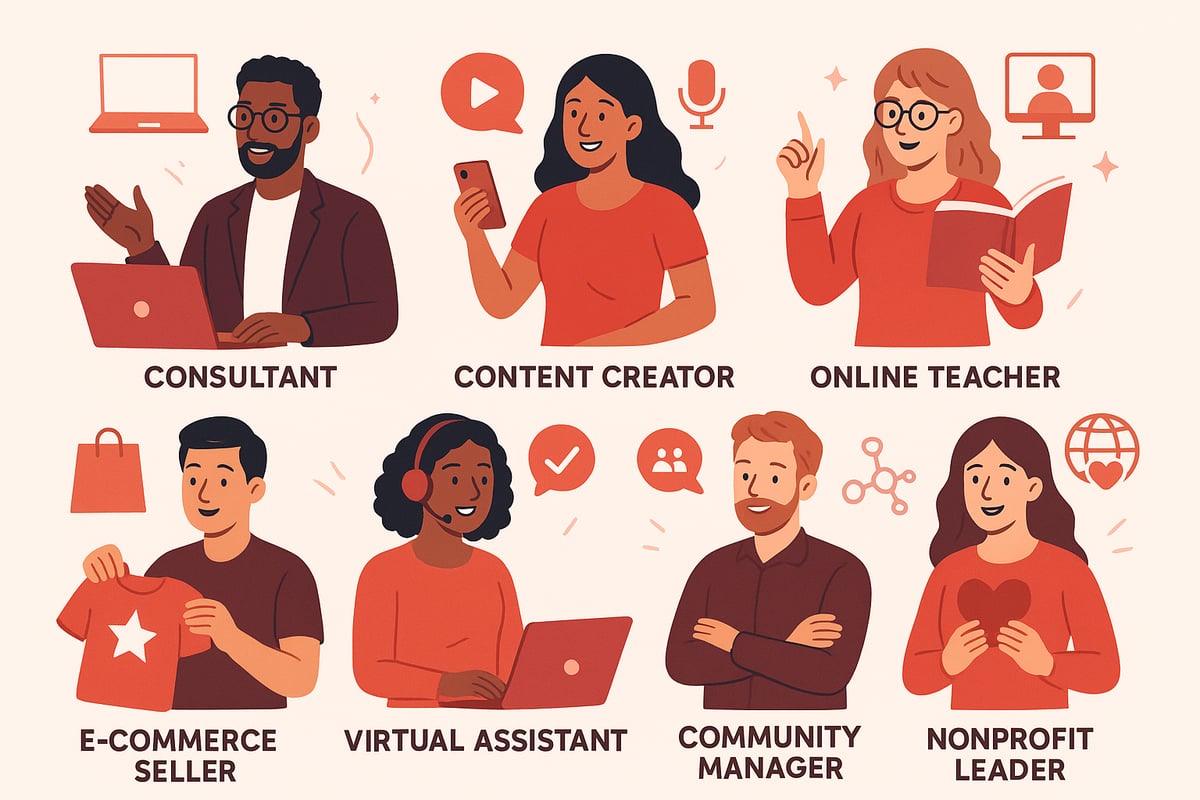
Looking for a free start up idea that fits your skills, goals, and 2025’s dynamic business landscape? Explore these seven innovative options, each offering a unique path to entrepreneurship with minimal or zero capital.
1. Freelance Consulting or Coaching
Do you have expertise in marketing, IT, HR, or design? Turn your knowledge into a free start up by offering freelance consulting or coaching services online. Use platforms like LinkedIn, Upwork, and social media to reach clients without spending a dime.
Set up your business using free tools:
- Calendly for scheduling
- Wave for invoicing
- Zoom or FreeConferenceCall for virtual meetings
A marketing consultant, for example, might attract new clients through LinkedIn networking and share valuable insights in posts or groups. This free start up model is ideal for professionals, experts, or career changers.
Pros:
- No inventory required
- Flexible work hours
- Scalable as your reputation grows
Cons:
- Income can vary
- Finding clients takes ongoing effort
A free start up in consulting lets you monetize skills with almost no upfront cost, making it perfect for those ready to leverage their experience.
2. Content Creation & Monetization
If you’re creative and love sharing ideas, a free start up in content creation could be your calling. Start a blog, YouTube channel, or podcast on a niche topic using free platforms like YouTube, Medium, Anchor, or WordPress.com.
Monetize your content through:
- Affiliate marketing
- Sponsorships
- Ads
- Digital products
For example, a niche YouTube channel can gain traction by using free video editing tools and consistently delivering valuable content. This free start up path offers creative freedom and the potential for passive income.
Pros:
- Express yourself and build a brand
- Earn money while you sleep
- Reach a global audience
Cons:
- Growth can be slow
- Requires persistence and regular updates
With dedication, a content-based free start up can turn your passion into a sustainable business.
3. Online Course or Educational Platform
Have teaching skills or specialized knowledge? Launch a free start up by creating and selling online courses. Platforms like Teachable (free plan), Udemy, and Gumroad make it easy to get started without investing money.
Promote your courses through free webinars, social media, and content marketing. A language instructor, for instance, can offer beginner lessons via YouTube and share downloadable PDFs.
Pros:
- Highly scalable
- Builds your authority in a niche
- Reaches learners worldwide
Cons:
- High competition
- Marketing takes consistent effort
This free start up model is perfect for subject matter experts, teachers, or professionals looking to share knowledge and earn income online.
4. Dropshipping or Print-on-Demand Store
E-commerce is more accessible than ever, especially for those seeking a free start up model. With dropshipping or print-on-demand, you can sell products online without holding inventory.
Use free trials on Shopify, WooCommerce, or Printful to set up your store. Focus on a niche—like custom t-shirts or eco-friendly goods—and promote using Instagram, TikTok, and other free channels.
A custom t-shirt store, for example, can use Printful for order fulfillment and social media for marketing, keeping costs low.
Pros:
- Minimal financial risk
- Scalable as you find your audience
- No need to manage stock
Cons:
- Lower profit margins
- Dependence on third-party suppliers
A free start up in e-commerce allows you to experiment with products and marketing strategies while keeping expenses to a minimum.
5. Virtual Assistant Services
If you’re organized and detail-oriented, starting a virtual assistant business is a practical free start up choice. Offer remote administrative, technical, or creative support to entrepreneurs and businesses.
Market your services through LinkedIn, Facebook groups, or platforms like Belay and Zirtual. Use free project management and communication tools to deliver value.
A virtual assistant might help solopreneurs handle calendar management, email support, or research. This free start up model is in high demand as remote work grows.
Pros:
- Flexible hours and location
- No startup costs
- Broad range of tasks to offer
Cons:
- Highly competitive market
- Requires excellent time management
A free start up as a virtual assistant lets you build a client base and income stream with almost zero investment.
6. Community or Membership Platform
Building a niche online community is a powerful free start up idea for 2025. Platforms like Slack, Discord, or Facebook Groups let you gather like-minded people around shared interests for free.
Offer curated content, virtual events, or peer support to add value. Monetize with premium memberships, paid events, or exclusive resources. For example, a wellness community might host weekly live sessions and share helpful guides.
To boost your success, check out these Startup community building tips for proven strategies.
Pros:
- Recurring revenue potential
- Strong member engagement
- Opportunity to make a real impact
Cons:
- Requires ongoing moderation
- Content creation must stay fresh
A community-driven free start up can become a thriving hub with the right approach and commitment.
7. Social Impact or Nonprofit Initiatives
Want to make a difference? Launch a social impact or nonprofit free start up focused on causes like the environment, education, or social justice.
Use free crowdfunding platforms such as GoFundMe or Facebook Fundraisers to raise support. Engage volunteers and promote your mission via social media. Organize local clean-ups, online awareness campaigns, or resource drives.
Pros:
- Positive impact on your community
- Access to grants and support
- Attracts like-minded collaborators
Cons:
- Reliant on donations and volunteer time
- Nonprofit structure can be complex
A social impact free start up lets you turn your passion for change into actionable results with minimal resources.
Validating and Growing Your Free Start Up Idea
Bringing a free start up to life is only the beginning. The real challenge is making sure your idea meets a real need and can grow sustainably. Let’s break down the steps and tools you need to validate, launch, and scale your business idea efficiently.
Market Research and Idea Validation
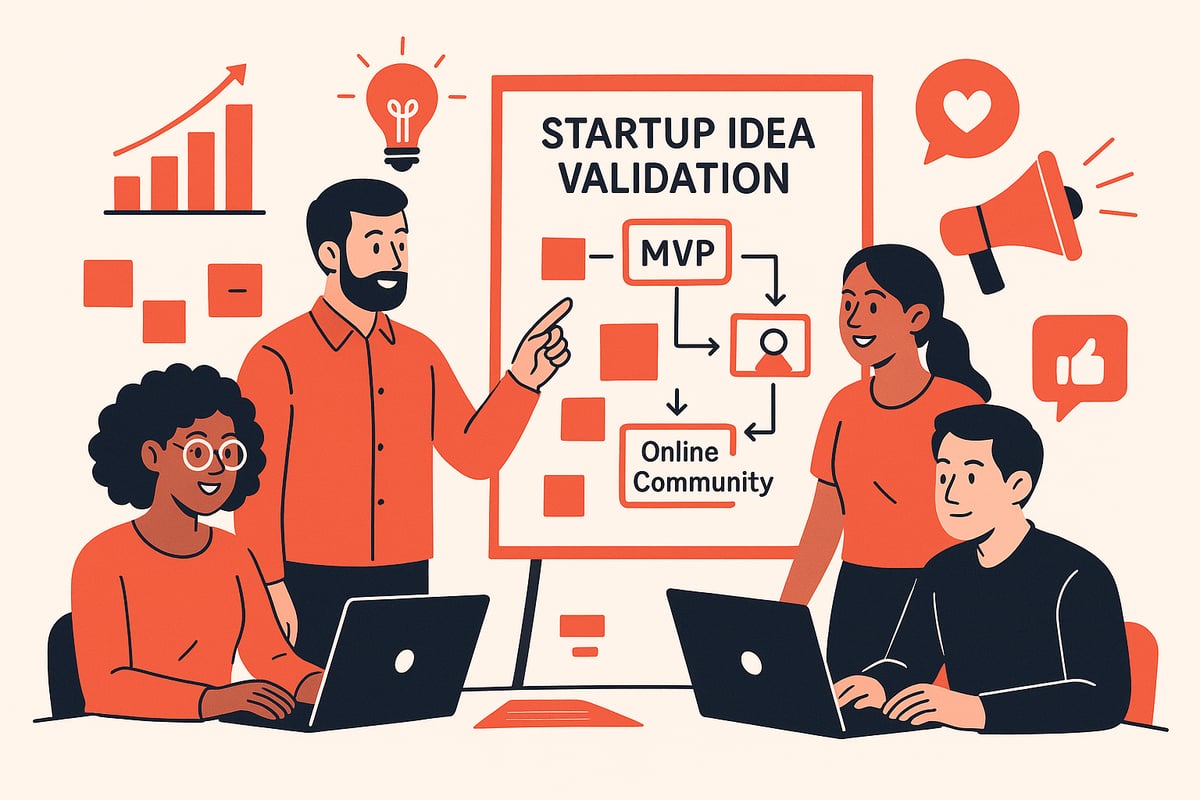
Before diving into your free start up, validate your idea using free tools like Google Trends, Typeform, and social media polls. These resources help you gauge real demand and avoid building something no one wants.
Conduct informal interviews or run quick surveys to collect feedback. For a deeper dive into best practices, check out Testing your startup idea for actionable steps.
Quick validation minimizes wasted time and lets you pivot early if needed. Remember, market fit is crucial for your free start up to succeed.
Building a Minimum Viable Product (MVP) for Free
Once you confirm interest, build a simple MVP using no-code tools like Wix, Carrd, or Notion. Focus on delivering your core value with minimal features.
Share your MVP with early users and gather honest feedback. Iterate quickly based on what you learn. A free start up thrives on agility, so don’t be afraid to adjust your approach as you go.
Leveraging Free Marketing Channels
Getting noticed is essential. Promote your free start up through organic channels:
- Content marketing (blogs, podcasts)
- Social media groups and pages
- SEO for discoverability
Use free tools like Canva for visuals and Buffer for scheduling posts. Track engagement with Google Analytics to see what’s working.
Networking and Mentorship
Surround yourself with experienced voices. Join online groups on Reddit, LinkedIn, or SCORE to connect with mentors and peers.
Seek out free start up events and webinars. These connections can provide guidance, partnerships, or even your first customers. Learning from others’ experiences can keep your momentum strong.
Tracking Progress and Measuring Success
Set clear goals for your free start up. Use KPIs like user signups, engagement rates, or sales. Free analytics platforms, such as Google Analytics or Looker Studio, make it easy to monitor your progress.
Regularly review your metrics. Use insights to refine your product, marketing, or operations. Data-driven decisions help you grow smarter.
Overcoming Common Growth Challenges
Expect bumps along the road. Free start up founders often face cash flow issues, scaling hurdles, or engagement drops. Stay patient, as most startups need 3 to 4 years to become profitable.
Tackle challenges by automating tasks, staying close to your users, and being open to feedback. Persistence and adaptability are your best assets in the journey to a thriving free start up.
Essential Free Tools and Resources for Startups in 2025
Launching a free start up in 2025 is more achievable than ever, thanks to a growing ecosystem of no-cost digital resources. Whether you are managing projects, building your brand, or seeking funding, the right tools can make all the difference for your free start up journey.

Productivity and Project Management
Staying organized is crucial for any free start up. Tools like Trello, Asana (free plans), and Notion help you track tasks, manage deadlines, and collaborate with team members in real time.
Looking for more options? Consider Free project management tools like Freedcamp, which offers excellent features for startups at no cost.
- Trello: Visual task boards and easy drag-and-drop.
- Asana: Task lists and project timelines.
- Notion: All-in-one workspace for notes, databases, and wikis.
These platforms streamline your workflow and keep your free start up on track, even as your team grows.
Marketing and Branding
A strong online presence is essential for any free start up. Canva allows you to design eye-catching graphics, while Buffer schedules your social media posts for maximum reach. Free website builders such as Wix, WordPress.com, and Carrd help you launch your brand quickly.
- Canva: Design logos, social posts, and marketing materials.
- Buffer: Manage and analyze multiple social media accounts.
- Wix/WordPress.com/Carrd: Build websites without coding.
These tools let you create a professional image for your free start up without hiring designers or developers.
Operations and Finance
Managing operations is simpler with free start up tools like Wave for invoicing and accounting. Calendly makes scheduling appointments effortless, and FreeConferenceCall enables virtual meetings at no cost. HubSpot CRM is a powerful way to organize contacts and automate customer management.
- Wave: Send invoices, track expenses, and handle bookkeeping.
- Calendly: Set up meetings with clients easily.
- FreeConferenceCall: Host unlimited video calls and webinars.
- HubSpot CRM: Track leads and manage customer relationships.
These solutions ensure your free start up runs smoothly from day one.
Learning and Skill Development
Continuous learning is a cornerstone for every free start up founder. Free courses from Startup School, Swisspreneur masterclasses, and Coursera (audit mode) can sharpen your business skills. For curated recommendations, check out the Essential tools for entrepreneurs guide.
- Podcasts and blogs: Stay updated on trends and growth strategies.
- Online masterclasses: Access insights from leading entrepreneurs.
- Coursera: Audit top-rated business courses for free.
These resources help you and your free start up stay ahead in a fast-moving market.
Funding and Legal Support
Even a free start up may need funding or legal support. Explore Grants.gov, Fundera, and Wefunder for grants and crowdfunding. SCORE and the SBA offer free legal templates and business planning tools.
- Grants.gov: Search for federal grants.
- Fundera: Compare funding options for startups.
- SCORE/SBA: Access legal templates and mentorship.
These platforms provide a financial safety net and expert advice for your free start up.
Community and Networking
Building connections is vital for every free start up. Use LinkedIn and Facebook Groups to find partners, mentors, and early customers. Attend local startup events to expand your network and gain support from like-minded founders.
- LinkedIn: Network with industry professionals.
- Facebook Groups: Join communities tailored to your niche.
- Local events: Meet collaborators and potential clients in person.
A strong community supports your long-term free start up success.
FAQ: Launching a Free Start Up in 2025
Curious about launching a free start up in 2025? You’re not alone. Here, we address the most common questions new founders have, from validation to funding. Each answer is designed to help you navigate the world of free start up opportunities with confidence.
What is the best way to validate a startup idea for free?
Validating your free start up idea doesn’t require a big budget. Start by conducting customer interviews to understand pain points. Use free tools like Google Forms for surveys, and launch a simple landing page to collect interest. Social media and forums are great places to share your concept and get feedback. According to startup failure rates and causes, many startups fail due to lack of market need, so validation is essential before investing more time.
How long does it take for a free startup to become profitable?
Most free start up founders want to know about profitability timelines. Data shows that many startups take 3 to 4 years to become profitable. This depends on your niche, business model, and how much effort you put in. If you focus on a high-demand market and optimize your operations, you could see results sooner. However, patience is key, as highlighted by startup failure rates and causes.
What are the biggest challenges for free startups?
Launching a free start up comes with unique challenges. The most common issues include funding, scaling, tough competition, and attracting customers. To overcome these, leverage free resources, keep your operations lean, and focus on organic growth. Building a strong network and staying adaptable will help you navigate unexpected roadblocks. Remember, most successful founders face setbacks before finding their stride.
Can I launch a tech business with no money?
Absolutely, launching a tech-focused free start up is possible today. Use no-code tools and take advantage of free trials for essential software. Explore programs like the Microsoft for Startups program, which offers free access to cloud services, development tools, and mentorship for qualifying startups. Partnering with technical co-founders or tapping into open-source solutions can also help minimize costs.
How can I find free mentors or advisors?
Mentorship is crucial for any free start up. Look for mentors on platforms like SCORE and the SBA, which connect new entrepreneurs with experienced business advisors at no cost. LinkedIn is another valuable tool for reaching out to industry experts. Joining free webinars, masterclasses, and local networking events can also help you build relationships with potential mentors and advisors.
What are effective strategies for marketing a free startup?
Marketing your free start up doesn’t have to break the bank. Focus on content marketing by starting a blog, launching a podcast, or creating engaging social media posts. SEO, partnerships, and participating in online communities can build organic growth. Use free tools like Canva for graphics and Buffer for scheduling to maximize your reach without spending a dime.
Are there grants or funding options for free startups?
Yes, there are several funding options for your free start up. Consider applying for grants through platforms like Grants.gov or Fundera. Crowdfunding sites and pitch competitions are also excellent ways to raise capital without taking on debt. When applying, tailor your pitch and highlight your potential impact to improve your chances of success.
If you’re feeling inspired by these free start up ideas and want to take your first steps toward launching your own business in 2025, you don’t have to do it alone. Connecting with other Swiss founders can make all the difference—you’ll get support, real-world advice, and a community that truly understands your journey. Whether you’re still brainstorming or ready to launch, joining a network of like minded entrepreneurs will help you stay motivated and find valuable resources along the way. If you’re ready to surround yourself with innovators and leaders, apply to our swiss founders community.