

Startup Business Coaching Guide: Strategies for Success 2026
Are you ready to unlock your startup’s full growth potential in 2026? The evolving business landscape is more competitive than ever, making startup business coaching a critical advantage for ambitious founders.
In this guide, you’ll discover proven strategies and actionable steps to leverage coaching for sustainable success. We’ll explore the fundamentals, highlight key benefits, and walk you through practical approaches for building a thriving company.
From understanding coaching models to choosing the right coach and maximizing your results, this roadmap will help you overcome challenges and accelerate your growth. Let’s dive in and set your startup on the path to lasting achievement.
The Fundamentals of Startup Business Coaching
Unlocking the potential of your startup often requires more than just grit and vision. Startup business coaching provides structured support, helping founders move from uncertainty to clarity. By understanding its fundamentals, you can leverage this resource to navigate the unpredictable journey from idea to scale.

What is Startup Business Coaching?
Startup business coaching is professional guidance designed to help founders and their teams successfully create, grow, and scale their ventures. Unlike mentoring, which can be more informal or based on sharing personal experiences, startup business coaching focuses on actionable strategies, clear accountability, and measurable outcomes.
A coach works with you to set goals, provide structured feedback, and develop crucial business skills. This process adapts as your company evolves, from ideation to growth and scaling. For example, early-stage founders often use coaching to refine their business model or go-to-market plan.
Research shows that startups receiving coaching experience higher survival rates and faster revenue growth. Ultimately, investing in startup business coaching is a proactive move to boost founder performance and long-term success.
Why Coaching Matters for Startups in 2026
In 2026, the entrepreneurial landscape will be even more competitive, with rapid technological changes and ongoing economic uncertainty. Startup business coaching equips founders with resilience, adaptability, and strategic thinking needed to stay ahead.
Coaches play a crucial role by providing honest feedback and helping you avoid costly mistakes. Imagine a startup pivoting after a coach-led market analysis, which leads to a better product-market fit and stronger growth. Investors increasingly seek out coached founders, recognizing their growth mindset and readiness for challenges.
Surveys show coached founders report higher confidence and better decision-making skills. In a crowded market, startup business coaching becomes a powerful differentiator, setting your company apart from the competition.
Core Benefits of Startup Coaching
Startup business coaching delivers a range of benefits for both founders and teams:
- Accelerated learning and faster adaptation to new challenges
- Enhanced leadership, communication, and problem-solving skills
- Improved goal-setting and progress tracking systems
- Access to valuable networks, resources, and industry insights
For instance, many startups secure funding after refining their pitch through coaching sessions. Coaching supports not just business growth, but personal development as well. According to business coaching impact statistics, 70% of coached startups report improved team performance, highlighting the broad return on investment.
The impact of startup business coaching extends beyond immediate results. It lays the foundation for sustained growth, innovation, and team cohesion.
Typical Challenges Addressed by Startup Coaching
Startup business coaching helps founders overcome some of the toughest hurdles in the entrepreneurial journey. Common challenges addressed include:
- Navigating fundraising and investor relations
- Validating market fit and driving customer acquisition
- Building strong teams and a healthy company culture
- Scaling operations efficiently during rapid growth
- Managing compliance and industry-specific regulations
Coaches often support founders in overcoming imposter syndrome and building confidence. By addressing these obstacles, startup business coaching reduces risks and increases your chances of success at every stage.
Step-by-Step Strategies for Startup Success Through Coaching
Unlocking the potential of your startup begins with a strategic approach to startup business coaching. Each step in this process is designed to help you pinpoint your biggest growth levers, avoid common pitfalls, and create momentum for lasting success.

Step 1: Assessing Your Startup’s Needs
The first step in startup business coaching is an honest evaluation of your current situation. Identify the pain points holding your startup back, whether it is slow user growth, difficulty fundraising, or gaps in your team’s skill set.
Use self-assessment tools, team feedback, or even short surveys to benchmark where you are now. This baseline helps you and your coach set priorities and avoid wasting time on generic advice.
For example, some founders complete a pre-coaching survey covering leadership, product-market fit, and financial health. This step ensures your startup business coaching experience is customized, setting the stage for measurable progress.
Step 2: Setting Clear, Measurable Goals
Once your needs are clear, collaborate with your coach to define SMART goals. These are Specific, Measurable, Achievable, Relevant, and Time-bound objectives that connect directly to your startup’s milestones.
Aligning coaching goals with business targets, like securing funding or launching a new product, brings focus to every coaching session. For instance, you might aim to double your active user base within six months.
Clarity around goals is essential in startup business coaching. It not only boosts accountability but also keeps your team motivated as you track progress toward tangible results.
Step 3: Selecting the Right Coaching Model
Not all startup business coaching is created equal. Evaluate which format fits your company best: one-on-one sessions, group coaching, peer-to-peer circles, or industry-specific programs.
Consider your company’s stage, budget, and preferred learning style. Early-stage startups may benefit from peer groups where founders share experiences. More established teams might need specialized industry coaching.
Hybrid models can offer the best of both worlds, combining group insights with personalized support. Choosing the right model ensures your startup business coaching is engaging, relevant, and impactful.
Step 4: Implementing Action Plans and Accountability Systems
Effective startup business coaching requires turning goals into actionable plans. Break big objectives into weekly or monthly milestones, and work with your coach to outline clear steps.
Set up regular check-ins to review progress, troubleshoot challenges, and celebrate wins. Use digital tools like dashboards or KPI trackers for real-time updates and transparency. For a curated list of helpful resources, explore these tools for entrepreneurs.
For example, some teams adopt weekly sprints and retrospectives, guided by their coach. Consistent accountability is crucial in startup business coaching, driving follow-through and continuous improvement.
- Set weekly or monthly check-ins
- Track progress with shared dashboards
- Celebrate small wins to build momentum
With the right systems in place, your team stays aligned and motivated.
Step 5: Leveraging Feedback and Iteration
Startup business coaching thrives on open feedback. Encourage your coach and team to share honest, constructive input. Use feedback loops to refine your strategies and uncover blind spots.
For example, you might pivot product features after a coach-led analysis of user feedback. This iterative approach ensures your startup adapts quickly to market needs.
Growth is rarely a straight line. Embracing feedback in startup business coaching keeps your company agile and responsive, leading to better outcomes over time.
Step 6: Measuring Impact and Adjusting Course
Tracking results is essential in startup business coaching. Monitor key performance indicators tied to your coaching objectives, such as revenue, churn rates, or funding milestones.
Data-driven evaluation reveals what is working and what needs adjustment. For example, if you see a spike in user growth after implementing a new onboarding process, double down on that strategy.
Coached startups often achieve higher KPI targets compared to those without support. Regular measurement ensures your startup business coaching remains relevant and delivers a solid return on investment.
Step 7: Scaling Coaching as the Startup Grows
As your company grows, expand startup business coaching beyond the founding team. Introduce coaching for new leaders or entire departments, ensuring everyone benefits from expert guidance.
For example, a scaling tech startup might add leadership coaching for department heads to maintain alignment. This approach supports sustainable growth and a thriving culture.
Startup business coaching is not a one-time fix, but a scalable strategy that evolves with your company’s needs.
Types of Startup Coaching Models and Approaches
Startup business coaching is not one size fits all. Founders and teams can choose from a variety of models to match their needs, learning styles, and growth stage. Understanding these models helps startups select the best approach for their journey.

One-on-One Executive Coaching
One-on-one executive coaching provides highly personalized support for startup founders and C-level leaders. This approach centers on leadership development, strategic decision-making, and emotional intelligence.
A dedicated coach works closely with the founder, offering tailored feedback, challenging assumptions, and co-creating actionable plans. For example, a CEO might use this model to improve investor relations or navigate high-stakes negotiations.
According to coaching industry market size, demand for startup business coaching has surged as more founders seek expert guidance. In fact, 90% of startup leaders report that executive coaching is highly impactful for their performance and confidence.
Group and Peer-to-Peer Coaching
Group and peer-to-peer coaching bring founders together to share experiences, challenges, and solutions in a collaborative setting. This model leverages collective intelligence and accountability, which can be especially valuable in the early stages of startup business coaching.
Mastermind groups or facilitated workshops allow founders to brainstorm, troubleshoot, and learn from each other’s journeys. The shared context fosters creative problem-solving and builds resilience.
Peer coaching also promotes retention and engagement. When founders support each other, they are more likely to stay motivated and focused on their goals. This model is ideal for those who thrive on teamwork and diverse perspectives.
Industry-Specific Coaching
Industry-specific coaching matches startups with experts who have deep knowledge in a particular sector, such as fintech, health, or SaaS. These coaches understand unique regulatory, technical, and market challenges, making their guidance especially relevant to startup business coaching.
For example, a biotech founder might seek a coach with experience navigating clinical trials and compliance. This tailored support helps startups avoid common pitfalls and capitalize on emerging opportunities.
Specialized coaching mitigates sector risks and accelerates learning. By tapping into industry wisdom, founders can make smarter decisions and build stronger foundations for growth.
Accelerator and Incubator Coaching
Accelerator and incubator programs blend structured startup business coaching with mentorship, workshops, and funding opportunities. These programs are designed to fast-track business development and connect startups with investors and industry leaders.
Startups benefit from intensive coaching ecosystems, where they receive hands-on support in refining their pitch, validating their market, and scaling operations. For instance, participants in top accelerators often double their fundraising success compared to those without program support.
The structured environment and access to a vast network make accelerator and incubator coaching a powerful option for rapid progress and exposure.
Hybrid and Virtual Coaching Models
Hybrid and virtual coaching models combine the best of online and offline support, giving startups flexibility and scalability. With remote startup business coaching, founders can access global expertise, digital resources, and asynchronous feedback.
Virtual platforms enable distributed teams to collaborate with coaches regardless of location. This approach is particularly valuable for startups operating across multiple markets or with remote-first teams.
Hybrid models mix in-person sessions with digital tools, supporting ongoing learning and adaptability. As the world of work evolves, these models ensure coaching remains accessible and effective for every founder.
Choosing the Right Startup Coach: What to Look For
Selecting the right coach is a pivotal step in your startup business coaching journey. The right fit can accelerate your growth and help you overcome obstacles unique to your startup’s stage and sector. Let’s break down exactly what to look for, what to avoid, and how to ensure the partnership delivers maximum value.
Key Qualities of an Effective Startup Coach
When seeking startup business coaching, prioritize coaches with real entrepreneurial experience. Look for those who have navigated the startup lifecycle themselves or have deep industry expertise. Effective coaches excel at communication, empathy, and adaptability, tailoring their approach to your unique challenges.
Proven success stories and references are essential. Coaches who can share tangible outcomes or client testimonials provide confidence in their ability to deliver results. Additionally, seek those who emphasize accountability and structured growth.
For more insights on the importance of leadership and networking in coaching, see Entrepreneurial leadership network tips. These qualities signal that your startup business coaching experience will be both practical and impactful.
Red Flags: Identifying Ineffective Coaches
Not every coach is equipped for startup business coaching. Watch out for those lacking relevant experience, especially if they have never worked with startups at your stage. Avoid coaches who offer generic, one-size-fits-all advice, as every startup’s journey is different.
Inconsistent communication or low availability is a warning sign. Coaches who focus more on fees than outcomes rarely help you achieve your goals. If a coach cannot share specific examples of past client successes, that’s a major red flag.
Remember, ineffective startup business coaching can stall your momentum, so trust your instincts and do your due diligence.
Assessing Fit: Questions to Ask Potential Coaches
Before committing to startup business coaching, interview multiple candidates to assess the best fit. Ask about their experience with startups similar to yours and request references or case studies. Understanding how they tailor their approach to different founders is key.
Prepare a list of targeted questions:
- What is your process for goal-setting?
- How do you handle confidentiality?
- Can you share a challenging coaching scenario and outcome?
Fit is as crucial as expertise. The right startup business coaching relationship should feel collaborative and aligned with your startup’s mission and culture.
The Role of Personal Chemistry and Trust
Trust forms the backbone of successful startup business coaching. A strong rapport encourages honest dialogue, vulnerability, and constructive feedback. Founders often cite breakthroughs that occur only when they feel genuinely supported by their coach.
Open communication and psychological safety enable you to tackle sensitive topics, from leadership doubts to strategic pivots. Data shows trust directly correlates with coaching satisfaction and effectiveness.
Prioritize chemistry during initial sessions. If it feels forced or uncomfortable, it may hinder the startup business coaching journey, so never underestimate the value of genuine connection.
Swisspreneur: Empowering Swiss Startup Founders
Swisspreneur is a vital resource for founders seeking to amplify their startup business coaching experience. The platform offers Switzerland’s largest library of startup podcasts, masterclasses, and a vibrant network of 700+ entrepreneurs.
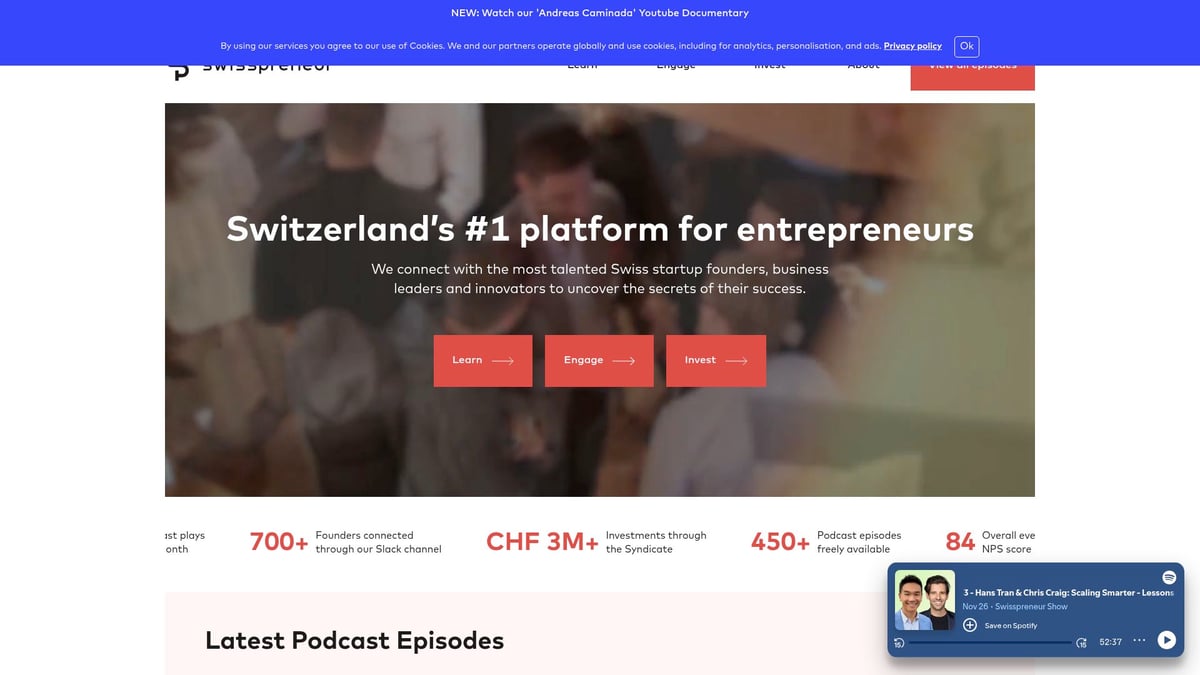
Through candid founder interviews and the Swisspreneur Syndicate, startups access actionable growth advice, funding opportunities, and mentorship. Regular events and the Swiss Startup Mafia Map foster powerful connections within the ecosystem.
Many founders use Swisspreneur to refine their business model and connect with mentors, complementing formal startup business coaching with community-driven learning and support.
Maximizing Results: Best Practices for a Successful Coaching Relationship
Building a thriving startup business coaching relationship requires more than just regular meetings. It’s about setting the right foundation, maintaining momentum, and ensuring that both founders and coaches collaborate effectively. By implementing proven best practices, you can unlock the full value of startup business coaching and drive sustainable growth for your company.
Establishing Mutual Expectations and Boundaries
The first step in a successful startup business coaching journey is to clarify expectations from both sides. Define each person’s role, set boundaries around communication, and agree on how feedback will be shared.
For example, founders and coaches might set up a confidentiality agreement and outline preferred channels for updates. This ensures everyone feels comfortable sharing challenges and insights openly.
Setting a regular session cadence and clear protocols for feedback prevents confusion. When both parties understand the framework, startup business coaching becomes a productive, trust-based partnership.
Maintaining Accountability and Progress Tracking
Accountability is the engine that keeps startup business coaching on track. Use shared dashboards, OKRs, or simple checklists to monitor progress in real time.
Schedule regular check-ins, such as monthly reviews, to evaluate milestones and course-correct as needed. This rhythm keeps everyone focused and motivated.
Research shows that startups using structured accountability tools complete 50 percent more goals. By embedding these habits into your startup business coaching process, you create a culture of follow-through and measurable success.
Fostering a Growth Mindset and Openness to Feedback
Startup business coaching thrives when founders and teams embrace a growth mindset. Encourage experimentation, accept that setbacks are learning opportunities, and prioritize resilience.
Founders who regularly reflect on feedback, especially after coach-led retrospectives, are more likely to innovate and adapt quickly. This openness ensures your startup remains agile in a fast-changing market.
Use team debriefs and open discussions to normalize feedback. When startup business coaching encourages honest conversations, it helps everyone grow together.
Integrating Coaching Insights Across the Startup
The impact of startup business coaching multiplies when insights are shared beyond the founder. Hold team workshops based on coaching sessions or circulate key takeaways in internal newsletters.
For example, after a leadership coaching session, you might host a company-wide meeting to align everyone on new communication strategies. This ensures that the benefits of startup business coaching ripple throughout the organization.
A culture of shared learning helps break down silos and keeps everyone driving toward common goals.
Leveraging the Coach’s Network and Resources
One of the greatest advantages of startup business coaching is access to valuable networks and resources. Coaches can introduce you to investors, industry experts, and peer founders.
Tapping into these connections accelerates growth and opens new opportunities. For instance, joining events or panels organized by your coach can lead to funding or partnership breakthroughs.
If you want to learn more about the power of networks, check out Building a startup community, which explores how community connections can amplify your startup business coaching outcomes.
Paying It Forward: Building a Coaching Culture
The final best practice is to foster a culture where startup business coaching is not just top-down but also peer-driven. Encourage experienced founders to mentor newcomers and build a supportive ecosystem.
Alumni of coaching programs can share lessons learned, host knowledge-sharing sessions, or even start internal mastermind groups. This pay-it-forward mentality strengthens your team and the broader startup landscape.
By making startup business coaching part of your company’s DNA, you ensure continuous growth, resilience, and a legacy of shared success.
The Startup Coaching Process in Action: Real-World Scenarios
Startup business coaching becomes truly valuable when you see its impact in real-world scenarios. Let’s dive into five authentic case studies, followed by lessons learned and a glimpse into the future of startup business coaching.
Case Study 1: Overcoming Fundraising Challenges
A SaaS startup in Zurich struggled with repeated investor rejections. The founders sought startup business coaching to refine their pitch and strategy. Through targeted sessions, the coach identified gaps in their value proposition and storytelling.
Together, they crafted a compelling narrative and practiced investor Q&A. After implementing feedback, the team secured funding in their next round. Data shows that 70% of startups receiving coaching improve funding outcomes.
This demonstrates how startup business coaching can directly enhance access to capital and boost founder confidence.
Case Study 2: Achieving Product-Market Fit
A healthtech founder faced stagnant user growth and high churn. Through startup business coaching, the coach guided a deep dive into customer discovery and user pain points.
They ran structured interviews, gathered honest feedback, and iterated on product features. Eventually, a pivotal product pivot was made, resulting in a 3x increase in active users within six months.
Startup business coaching empowered the founder to embrace data-driven decisions and accelerate the validation cycle.
Case Study 3: Building a High-Performance Team
A fintech team was held back by internal conflicts and unclear roles. They turned to startup business coaching for help with team dynamics and culture.
The coach facilitated workshops on communication, conflict resolution, and shared vision. Over several weeks, trust improved and turnover dropped.
Surveys revealed a 40% rise in team satisfaction. Startup business coaching not only solved immediate challenges but also fostered a culture of continuous improvement.
Case Study 4: Scaling Operations Efficiently
A rapidly growing e-commerce startup struggled to keep up with demand. Their processes were chaotic, and customer satisfaction was slipping. Startup business coaching helped them map out scalable systems and implement operational best practices.
The coach introduced project management tools, delegation frameworks, and weekly retrospectives. As a result, the company expanded smoothly, maintaining high customer ratings.
Startup business coaching provided the structure and accountability needed for sustainable scaling.
Case Study 5: Founder Wellbeing and Resilience
One founder approached burnout after months of intense work. Startup business coaching addressed not just business strategy but also personal wellbeing.
The coach introduced stress management routines, work-life boundaries, and regular check-ins. Over time, the founder regained focus and energy.
This case illustrates that startup business coaching supports both business and personal health, ensuring founders stay resilient for the journey ahead.
Lessons Learned and Key Takeaways
Across these scenarios, several success factors stand out. Clear goals, honest communication, and a willingness to iterate are vital. Founders who openly share challenges and embrace feedback see the greatest growth.
However, pitfalls like poor alignment or ignoring coach input can stall progress. For a deeper look at how transformation unfolds, explore this Benefits of rebranding for growth case study.
Startup business coaching works best when it’s a true partnership, grounded in trust and shared vision.
The Future of Startup Coaching: Trends for 2026
Looking ahead, startup business coaching is evolving rapidly. AI-powered tools are making personalized feedback and data-driven insights more accessible. Virtual coaching platforms now offer founders real-time analytics and flexible support.
According to recent global business coaching market growth reports, demand for coaching is surging as startups seek an edge in an increasingly competitive market.
Diversity, inclusion, and founder wellbeing will become even more central, ensuring startup business coaching continues to drive meaningful impact for the next generation of entrepreneurs.
After diving into these strategies and real world examples, you might be wondering how to keep the momentum going for your own startup journey in 2026. The truth is, surrounding yourself with other driven founders and learning from their wins and challenges can make all the difference. If you’re ready to connect with Switzerland’s most active community of entrepreneurs, get access to exclusive resources, and find the support you need to put these coaching insights into action, I’d encourage you to apply to our swiss founders community. Together, we can help your startup thrive.